|
|
 |
Ginseng News
|
As ginseng prices soar, diggers take to the backcountry |
| Print |
|
E-mail
|
|
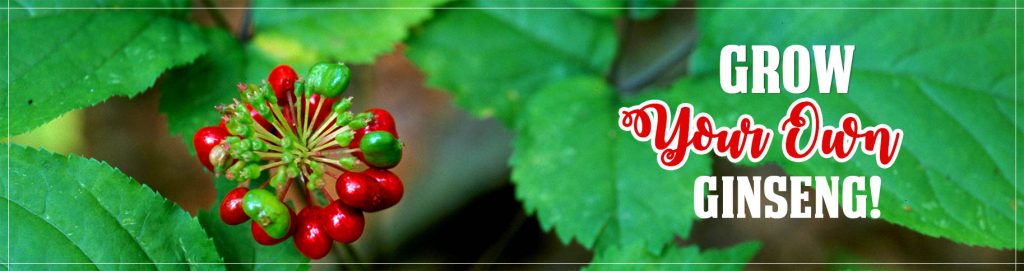
MADISON, Wis. Published September 28, 2012 Associated Press They slink through the woods in camouflage and face paint, armed with tire irons, screwdrivers and hoes, seeking a plant that looks like a cross between a Virginia creeper and poison ivy. They're the new breed of ginseng diggers, a rough and tumble lot looking to parlay rising Asian demand for the increasingly rare plant's roots into a fast buck. Amid a sluggish economy, police say, more diggers are pushing into the backcountry from the upper Mississippi River to the Smoky Mountains in search of wild ginseng, eschewing harvest permits, ripping up even the smallest plants and ignoring property lines. Their slash-and-burn tactics have left property owners enraged and biologists worried about the slow-growing plant's long-term survival. In Ohio prosecutors charged one landowner with gunning down a man he believed was stealing ginseng. "We're not finding big, healthy populations. It was there, and a lot of it has been taken," said Nora Murdock, an ecologist with the National Park Service who monitors plant populations in four parks across the southeastern U.S. "It's like taking bricks out of a building. You might not feel the first brick ... but sooner or later you're going to pull out too many." Ginseng, a long-stemmed plant with five leaves and distinctive red berries, long has been coveted in many Asian cultures because the plant's gnarly, multipronged root is believed to have medicinal properties that help improve everything from memory to erectile dysfunction. And the wild roots are believed to be more potent than cultivated roots. The plant takes years to mature, and it has been harvested to the edge of extinction in China. Ginseng buyers have turned to North America, where the plant can be found from northeastern Canada through the eastern U.S. Conscious of the harvesting pressure, the Convention of International Trade of Endangered Species of Wild Fauna and Flora imposed restrictions on exports in 1975. Under those terms, states certify ginseng has been harvested legally and exporters must obtain a federal permit. Most states have restricted ginseng harvest to a few months in the fall and require diggers to obtain permits during that period. It's illegal to harvest ginseng from any national park and most national forests in the southeast. The price of wild ginseng roots has climbed in the last decade. Now domestic buyers pay $500 to $600 per pound compared with about $50 per pound of cultivated roots. Law enforcement officials say the prices have pushed people looking for quick money into the woods. "It's lucrative to spend a day in the woods and walk out with $500 of ginseng in a bag when you don't have a job," said Wisconsin conservation warden Ed McCann. "Every one of these plants is like looking at a $5 or $10 bill." Clad at times in camouflage, face masks and face paint to blend in, poachers trod through the underbrush with makeshift tools such as tire irons and screwdrivers looking for ginseng, police said. They don't have any qualms about digging up immature roots; they want to get at the plants before other poachers or before the state's harvest season begins. But that ensures the plants won't reproduce and feeds a cycle of dwindling populations and rising prices. And poachers know how to get around the conservation regulations. They'll dig ginseng out of season to get a jump on competitors and take it to dealers when the season opens or purchase permits after the fact. In other cases dealers just look the other way, said John Welke, a Wisconsin conservation warden. It's difficult to get a clear picture of the extent of poaching in the U.S. — violation statistics are spread across layers of state and federal jurisdictions, but law enforcement officials and biologists across the eastern half of the country told The Associated Press they believe it's on the rise. In Wisconsin, the leading U.S. producer of commercially grown ginseng, wildlife officials say violations such as harvesting wild ginseng without a permit or harvesting out of season tripled from 12 in 2007 to 36 last year. Ohio wildlife authorities have made 100 arrests between 2008 and last year for various ginseng violations ranging from digging without permission to digging or buying out of season. A team of West Virginia University researchers counted 30 ginseng populations across New York, Pennsylvania, Maryland, Indiana, Kentucky, Virginia and West Virginia between 1998 and 2009. The team reported that of the 368 plants they discovered had been harvested, only five were taken legally. "It's very difficult to catch a poacher," said U.S. Forest Service botanist Gary Kauffman. "You could put everything in a backpack and your hands are clean, nobody really knows what you're doing." A grand jury in southeastern Ohio charged 78-year-old Joseph Kutter of New Paris with killing a man whom Kutter claimed had trespassed onto his property to poach ginseng. According to court documents, Kutter shot Bobby Jo Grubbs with an assault rifle in May and hid his body in a mulch pile. Kutter's attorneys didn't return messages seeking comment. Sara Souther, a University of Wisconsin-Madison botanist who worked on the West Virginia University ginseng team, said multiple times she has encountered poachers trying to harvest the plant. "These are intimidating people," Souther said. "You can tell these men are not hiking. If you're out there and witness an illegal act, you don't know what people will do." |
|
|
Malvern-area, OH man banned from selling ginseng |
| Print |
|
E-mail
|
|
By Malcolm Hall Posted Jun 03, 2010 @ 10:06 PM Last update Jun 03, 2010 @ 10:12 PM MALVERN — David Paulette will be 92 years old before he can sell ginseng again.
The 62-year-old Malvern-area man was banned from selling the herb for 30 years after being convicted on six misdemeanor counts of not maintaining accurate records for his ginseng business.
Paulette, of 6210 Canton Rd. in Brown Township, pleaded guilty to the charges Wednesday in Carrollton Municipal Court. The court issued a three-year jail sentence, which was suspended. Paulette also was given a $6,000 fine and put on two years probation.
“He has already paid it,” Judge Gary Willen said. “They were more interested in making sure he wouldn’t be involved in the trade anymore.”
The investigation was conducted by the Ohio Department of Natural Resources’ Division of Wildlife.
Ginseng “is extremely valuable and a lot of illegal activity goes on in Ohio,” said Jamey Graham, a public relations officer for ODNR. The herb, which is used for medical purposes and as an aphrodisiac, is harvested by some people and sold under the table, according to Graham. The time of year that Ginseng may be harvested is regulated, he said.
“A lot of trespassing takes place because a lot of people are eager to dig it up,” said Graham.
When reached by phone Thursday, Paulette, who operates Paulette Furs, called the case a “farce” and declined further comment.Courtesy of CantonRep.com. Some rights reserved |
|
|
Ohio Ginseng Investigation Leads to Charges |
| Print |
|
E-mail
|
Posted: Thursday, 03 June 2010 6:25AM
Ginseng Investigation Leads to Charges
Jennifer Lourenco Reporting
| A former ginseng dealer has been convicted on six counts of failure to keep accurate records as required by state law.
According to the Ohio Department of Natural Resources, 62-year-old David Paulette of Malvern has been fined 6-thousand dollars, and his dealer license has been revoked.
As a result of the revocation, Paulette cannot acquire, sell or possess ginseng for a 30-year period.
Paulette also received a three-year suspended jail sentence, pending no further violations, and must report to a probation officer for the next two years.
Additionally, nearly 70 pounds of ginseng will be forfeited to the state.
To date, more than 60 violations of Ohio law have been identified with more than 30 individuals involved, and the investigation continues with additional charges and suspects expected.
Charges include digging ginseng without landowner permission, collecting or possession of ginseng during the closed season, failure to maintain accurate records, and failure to certify ginseng prior to export.
ODNR Officials say that Ohio certifies about 3,000 pounds of ginseng for export annually, and say there are more than 40 licensed ginseng dealers in the state, with an estimated 2,000 to 4,000 diggers. | WTUZ Radio Inc. Copyright 2010 | |
|
|
Ginseng, flaxseed may fight cancer |
| Print |
|
E-mail
|
|
By Marilynn Marchione, Associated Press
CHICAGO -- The first scientific tests of some popular alternative medicine products hint that American ginseng might lessen cancer fatigue and that flaxseed might slow the growth of prostate tumors. But a big study proved shark cartilage worthless against lung cancer, and doctors said people should not take it. The research was reported Saturday at an American Society of Clinical Oncology conference. The ginseng and flaxseed studies are small and preliminary, and specialists warned against making too much of them because the substances tested are not the same as what consumers find on store shelves. But the results suggest that some herbal remedies eventually may find niches for treating specific cancers, symptoms or side effects. Americans spend millions on these products, which are not approved by the federal Food and Drug Administration, even though no good studies confirm the benefits they tout. "One of the most common things patients ask me is about these things they have snookered away in their purses" and medicine chests, said Dr. Bruce Cheson, a cancer specialist at Georgetown University Hospital. "They'll come in with big bags of this stuff." Some "natural" remedies such as laetrile or high doses vitamin C proved not helpful and even harmful for cancer patients once they were scientifically studied, he noted. Some keep chemotherapy from working as it should. "Just because it is a vitamin or a leafy green does not ensure it does not have some harmful effects," Cheson said. Herbal products vary widely in their purity and the amount and type of active ingredients. These three federally funded studies used standardized compounds so they could say with some certainty whether they have any effect. Debra Barton, a research nurse at the Mayo Clinic in Rochester, Minn., tested powdered, four-year-old Wisconsin ginseng root, which is different from Asian ginseng and other varieties commonly sold, to treat the extreme tiredness that most people suffer from cancer or its treatment. She randomly assigned 282 people with breast, lung, colon and other forms of cancer to take either 750, 1,000 or 2,000 milligrams of ginseng or dummy capsules daily for eight weeks. Neither the participants nor the researchers knew who received what. One-fourth of those on the two highest doses said their fatigue was moderately or much better, compared with only 10 percent of those on the low dose or dummy pills. Results of the ginseng study are promising, but it is too soon to recommend that people use it, research nurse Debra Barton said. A better idea is exercise -- the one treatment already shown to help cancer fatigue, she said. The flaxseed study was aimed at fighting prostate cancer, not treating a side effect. The edible seed has been used for hundreds of years in cereals and breads and is high in beneficial omega-3 fatty acids and in lignan, a substance that can affect hormone levels and perhaps squelch their cancer-promoting effects. Four groups of about 40 men who were scheduled to have their prostates removed three weeks later were assigned to get either 30 grams of powdered flaxseed, a low-fat diet, both or neither until their surgery. After the men's prostates were removed, researchers found that tumors had been growing 30 to 40 percent slower in the two groups taking flaxseed, based on how quickly cells were multiplying. Low- fat diets had no effect on this, said Wendy Demark-Wahnefried of Duke University Medical Center, who led the study. "Our findings are compelling but they're preliminary," she cautioned. But several doctors said flaxseed is nutritious and seems to have little downside other than a sawdust-like consistency, since it must be used ground or powdered because it has an inedible hull or coating. Scientists plan to study flaxseed on men with prostate cancer that comes back after initial treatment, and Canadian scientists also are testing it for breast cancer, she said. The shark cartilage study was done because Congress ordered it. Some very small early studies suggested high doses of it might extend survival of people with advanced cases of non-small cell lung cancer. Dr. Charles Lu of the University of Texas M.D. Anderson Cancer Center in Houston tested Neovastat, a shark cartilage liquid extract that the Canadian company Aeterna-Zentaris was trying to develop as a regular pharmaceutical product. All 379 people in the study, which was done throughout Canada and the United States, were given standard chemotherapy and radiation. Half also were given shark cartilage twice a day. After about four years there was no difference in survival, which averaged 15 months for both groups. On the Net: Cancer meeting: www.asco.org Cancer society: www.cancer.org National Center for Complementary and Alternative Medicine: www.nccam.nih.gov Ginseng Board of Wisconsin: www.ginsengboard.com |
|
|
Wild ginseng harvest dwindles |
| Print |
|
E-mail
|
|
By Felicity Barringer Published: MONDAY, MAY 9, 2005
FAIRMONT, West Virginia: Alan Lockwood hefted his ginseng hoe from beside the fireplace of his mountain home and demonstrated how he edges the blade beneath a root and gently lifts it to the surface.
He was making a smaller version of his favorite hoe, with a haft of ash and a tip the size of a matchbook, for his 5-year-old grandson.
But Lockwood, 51, a ginseng hunter and dealer, was not sure what there would be for the boy to harvest.
The data about wild ginseng, a protected species, is sketchy. But this much is sure: The deer eat the leaves, a problem quantified in a recent study; wild turkeys eat the seeds; timber companies and suburban developments take over the land and cut the trees that provide shade for it to grow.
People across Appalachia harvest the wild root. The best ginseng roots - those with the elongated neck of a Giacometti sculpture, a few twisting rootlets at the bottom and the general aspect of a wizened gnome - can sell for more than $100 apiece. Run-of-the-mill roots go for $300 or more a pound, or $660 a kilogram, in the booming Asian market. In China, wild ginseng is prized as a source of focus, vitality and well-being. In Appalachia, from the time of the 18th-century frontiersman Daniel Boone, it has been a prized source of income. Some ginseng hunters and dealers, known as wildcrafters or 'sangers by the mountain people, fret that the diminishing supply may curtail their long-established practice - and perhaps the economic benefits that the root has brought to many impoverished areas. Cultivated versions of the root are abundant but lack the economic or backwoods appeal. Lockwood said that if ginseng root is not gathered by heads-down foraging farinto the maples, it is not really wild ginseng. "I don't want to have a Disney World show where you go and dig ginseng and mushrooms," he said. Circumstances are not promising. From the biology department of nearby West Virginia University to state agriculture researchers in Quicksand, Kentucky, and beyond into North Carolina and Pennsylvania, there are indications of a slow but steady decline in the wild-ginseng harvest, though the extent and causes are matters of dispute.
American ginseng, a plant whose flat pinwheels of five leaves each inspired its Latin name, Panax quinquefolius, has been listed on the second appendix of the Convention on International Trade in Endangered Species since 1973, meaning that the federal Fish and Wildlife Service assigns to states the responsibility for monitoring the harvest and the export of the wild root. Wildcrafters who will discuss their work, a small subset of the reclusive group, tell varying stories about its abundance or paucity. Some see no problem, said Brian Jeffiers, the Johnson County agricultural agent in Paintsville, Kentucky.Others see a real issue. "For years it's been going down," said Crate McCarty, 65, a school bus driver in Paintsville. "One year back a long time ago, I dug about 15 pounds. Every year since, it's going down. Last year it was five pounds, the year before, seven. It's getting harder and harder to find. "The current price is low by the standards of recent years. In the late 1990s, wild ginseng was known to fetch close to $500 a pound. The Kentucky harvest of wild ginseng root is the largest in the country. The volume exported by the state has fluctuated widely, but the harvests in even the good years have gradually declined since 1996.R. Terry Jones, a state horticulturist based in the mine-pocked woodlands of eastern Kentucky, and his colleague Jo Wolf found that over 19 years, 21 percent of the ginseng plots in their original survey group had disappeared. Some people see overzealous harvesting as the biggest problem. States "made rules and no one enforced them," Jones said, referring to state harvest seasons from mid-August until late autumn, created to comply with federal requirements. A declining ginseng harvest would ripple through the local economy. "The forests are a social safety net in Appalachia," said Brent Bailey, a research assistant professor of biology at West Virginia University, whose doctoral thesis found a strong positive correlation between ginseng harvests and the state unemployment rate. "Ginseng is Plan B for many households," he said in an interview in his office. A few doors down in the university's biology department, James McGraw and Mary Ann Furedi have surveyed the effects of deer. They have collected five years' worth of data on 36 plots of ginseng in eight states. Their work showed that anywhere from 10 percent to 100 percent of the plants in these plots were browsed by deer every year. The roots tended to survive one or two leafless seasons, but struggled thereafter. Walking in the woods a few miles from their Morgantown campus, the two pointed out a patch of perhaps seven ginseng plants, three with two or three leaf clusters, the rest small seedlings with just one. There was no evidence of deer browsing, but the plants were less than two weeks old, and some ferns nearby did show the marks of grazing. "I'm getting calls from Georgia and Virginia saying they have seen the same thing," McGraw said of his findings on the deer's effects. The root is not likely to disappear suddenly, he said. "Our models suggest it will be a gradual petering out. "Syl Yunker, who replants seeds in the Kentucky woods, creating what is known as wild simulated ginseng, says that wild turkeys, whose population is also exploding in eastern woodlands, are a bigger worry. "Their craw breaks down the seed," Yunker said. "When they pass it through, there's nothing there." The seed has been destroyed. |
|
| | << Start < Prev 1 2 Next > End >>
| | Results 1 - 9 of 11 |
|
 |